


Week in water: updates from across the community
 by Water Source
This week’s water community activity highlights investment in essential infrastructure, progress on water metering and research to improve understanding of tropical rainfall, alongside efforts to protect biodiversity and maintain community access to water storages.
The latest developments span Basin compliance, wastewater upgrades, regional water security and projects supporting reliable services for growing communities.
NATIONAL
Basin metering report highlights progress and measurement gaps
The Inspector-General of Water Compliance has released the fifth Murray-Darling Basin Metering Report Card, finding progress in non-urban water metering alongside continuing gaps in implementation.
The 2024-25 assessment found metering coverage remained high in the ACT, South Australia and Victoria, with a continuing shift towards meters meeting the Australian Standard. However, only 1.7% of reported NSW floodplain harvesting take was directly measured, while 1.4% of reported Queensland overland flow take was identified as measured by storage meter. The report also identified a 30% decline in active qualified meter installers.
Inspector-General of Water Compliance Troy Grant said: “Progress is welcome, but assurance depends on more than the number of meters installed.”
STATE AND TERRITORY
Brisbane wastewater investment supports growing communities
Urban Utilities plans to invest $6.7 billion across its water and wastewater network over the next decade, including more than $270 million in the coming year to renew Brisbane’s wastewater infrastructure and investigate pipe expansions.
The program will support housing growth, renew ageing assets and maintain reliable services across a network carrying more than 275 million litres of wastewater daily.
Urban Utilities Executive Leader Infrastructure Planning and Delivery Chris Bulloch said: “As one of the city’s most important pieces of infrastructure, this network works around the clock to protect public health and the environment, and these investments will ensure it has the capacity and resilience to support a growing population and a changing climate well into the future.”
Castlemaine tour outlines planned water reclamation upgrades
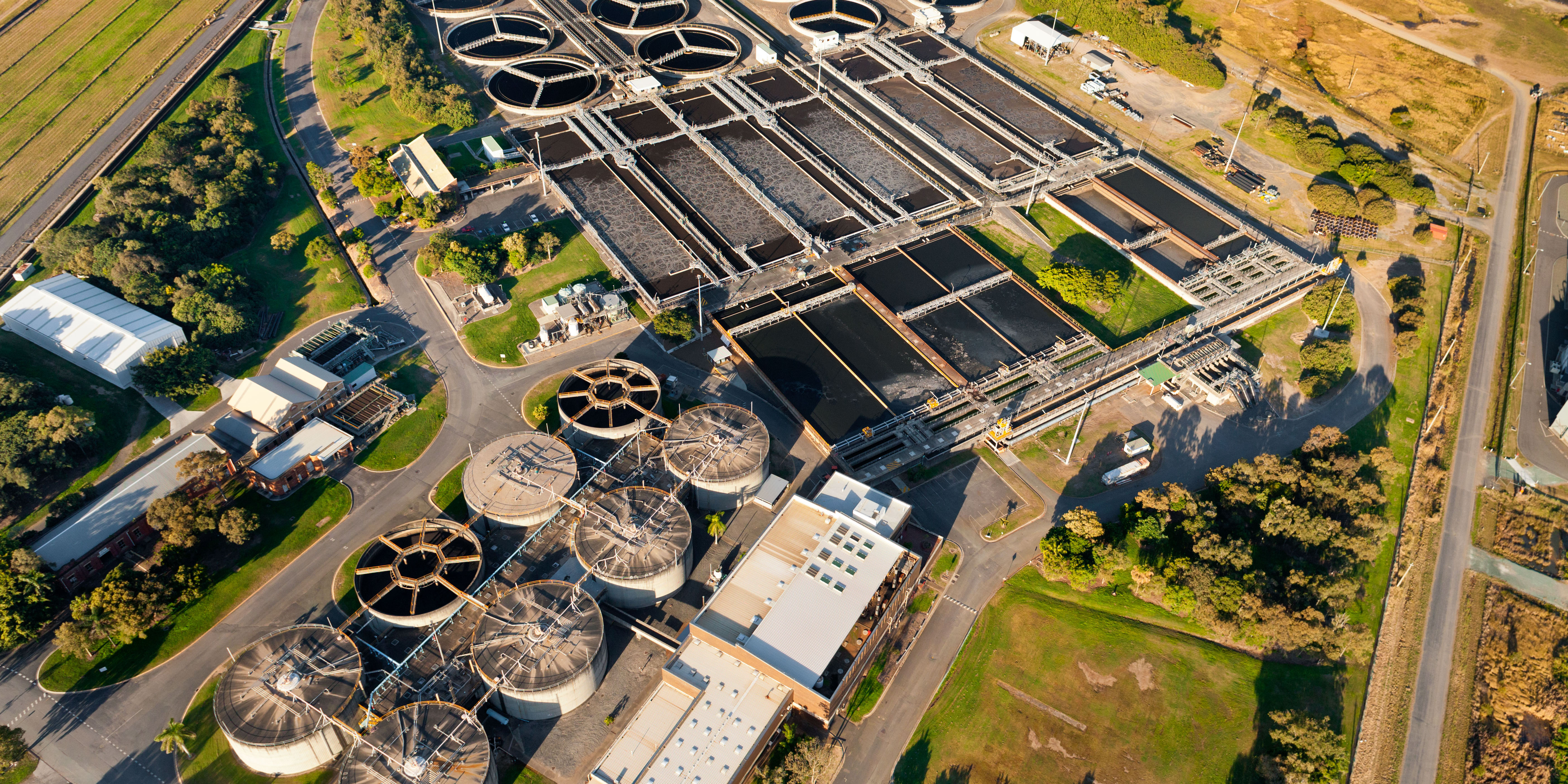
Coliban Water hosted a media tour of its Castlemaine Water Reclamation Plant last week, outlining plans for a major transformation of the Langslow Street site.
A new Water Reclamation Facility and Biosolids Handling Treatment Facility will use modern technology to reduce noise and odour, increase recycled water and biosolids available for community use, and support Campbells Creek and its platypus population.
The tour outlined how the upgrades will meet community needs for the next 30 years, with investment planning informing Coliban Water’s PS28 price submission.
Unitywater renews reservoirs serving 155,000 residents
Unitywater is renewing seven reservoirs across Moreton Bay, the Sunshine Coast and Noosa to support reliable drinking water supplies for more than 155,000 residents.
Part of its $500 million infrastructure replacement and renewals program, the works include roof replacements, structural improvements, pipework upgrades, security enhancements and internal cleaning and recoating. A temporary pump station will maintain supply during works at Eatons Hill.
Unitywater Executive Manager Sustainable Infrastructure Solutions Mike Basterfield said: “The pump station at Eatons Hill will help ensure customers continue to receive a reliable water supply throughout the project.”
Targeted protection helps endangered plants at Glenmaggie
Monitoring at Gippsland Water’s Glenmaggie biodiversity site has found targeted fencing is helping endangered Downy Zieria recover from browsing by deer and wallabies.
Installed in April after trail cameras recorded animals feeding on the plants, the fencing has prevented further browsing and disturbance over more than four months of monitoring. The protected population is also in better health.
Staff used image-analysis software to review more than 500 camera images. The site also supports other endangered plants, including Shiny Daisy-Bush and Bushy Hedgehog Grass.
Researchers track overlooked drivers of tropical rainfall
Monash University researchers have identified and tracked tropical weather systems known as moisture modes, providing a new way to investigate rainfall and how it may change as the climate warms.
Using satellite observations from 1984 to 2016, the study found these slow-moving systems were associated with between 45% and 75% of extreme three-hourly rainfall in some areas.
Monash University PhD student and lead author Muhamad Reyhan Respati said: “In tropical Australia, most attention has focused on tropical cyclones. Our study shows that moisture modes are also extremely important to rainfall, so we need to start paying more attention to them.”
Agreement secures Bells Bay Campground community management
WaterNSW has reached an agreement keeping Bells Bay Campground near Toonumbar Dam under Kyogle Fishing Club management, with a licence providing certainty for at least 10 years.
The agreement follows work on improvements, maintenance and safety. WaterNSW and Kyogle Council will also pursue precinct upgrades, subject to funding and relevant approvals.
WaterNSW CEO Andrew George said: “The agreement balances WaterNSW's responsibility to ensure community safety with the strong local desire to keep the campground operating under community management.”
Gove water upgrade planning paves way for second phase
Planning and assessment completed during the first phase of the Gove Peninsula Water Supply Upgrade have paved the way for a $17.2 million second phase to support long-term water security in Gunyangara.
The next phase is a joint investment by the Australian Government, through the National Water Grid Fund, the Northern Territory Government and Gumatj Corporation.
It follows completion of the $12 million first phase, which replaced ageing pipelines and service connections in Yirrkala, improving reliability and reducing water loss while supporting future housing and community development.
Want water sector insights delivered weekly? Subscribe to Source, the Australian Water Association's newsletter.


