Designing water infrastructure for a changing climate
 by Cecilia Harris
Climate pressures are already reshaping how water infrastructure is planned, built and operated, and for contractors delivering projects on the ground, adaptation is quickly becoming a core part of the job.
Principal Sponsor of Ozwater’26, John Holland is seeing firsthand how utilities across Australia are responding to more extreme weather, shifting risk profiles and grappling with the need to design assets that can withstand an increasingly uncertain climate.
Here, John Holland General Manager Water Shaun Kempton and General Manager Operations (QLD/NT) Natasha Roy reflect on how climate adaptation is playing out across water projects, and why collaboration is becoming central to delivering successful solutions.
For Kempton, climate adaptation is increasingly visible in the requirements utilities are placing on projects.
“We’re guided by our clients’ objectives and requirements. However, what we are seeing now is a much more proactive approach to climate adaptation appearing in project scopes and specifications,” he said.
While the appetite for resilient infrastructure is growing, there remains a balance between innovation and what clients are willing to buy. Going beyond what is specified isn’t always incentivised, and incentives can shape how far adaptation measures go within a project.
But, from Roy's perspective in Queensland, climate pressures are already influencing how infrastructure is designed and delivered.
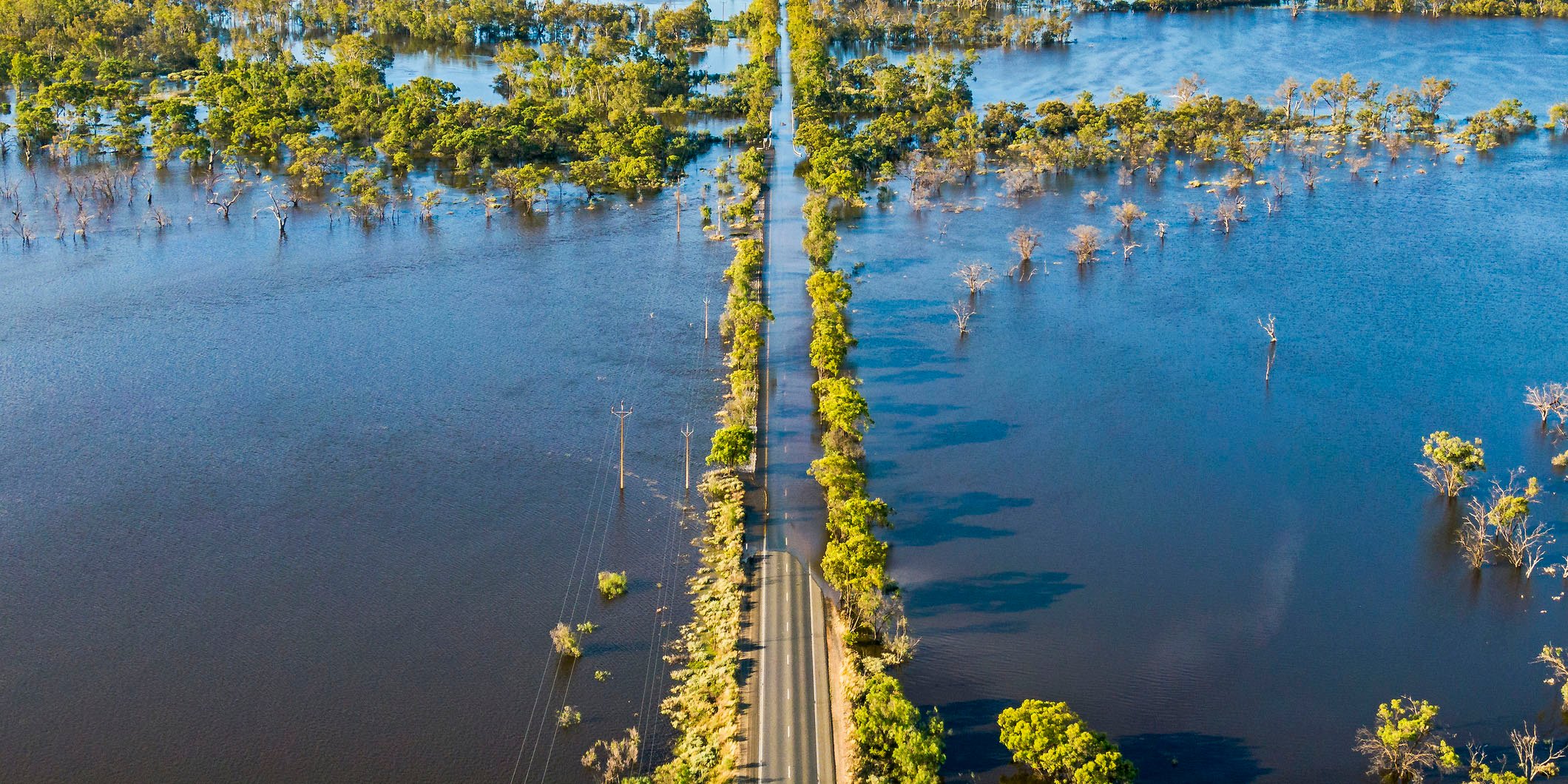
“Especially in Queensland, extreme weather events are a big factor. We deal with severe storms, cyclones, and major flooding events. Increasingly, asset owners want new infrastructure to operate under those extreme conditions,” she said.
“A good example is the water treatment plant in Cairns. During cyclones, turbidity levels can become so high that many treatment plants can’t operate. The plant we’re building there is designed so it can still supply water during those high-turbidity events.”
Planning around the climate
Climate adaptation is not only influencing the design or augmentation of assets, it is also reshaping how projects are delivered. Roy said temporary works and construction planning are increasingly being designed with extreme weather in mind.
“When you’re building infrastructure in cyclone-prone regions, or areas with major rainfall events, temporary works become critically important. You need to be able to safely exit or secure the site when extreme weather approaches,” she said.
Similarly, Kempton added that seasonal patterns are also playing a larger role in construction planning.
“In Cairns, for example, we know there’s a clear wet and dry season, and the wet seasons are becoming wetter,” he said.
“So we need to plan construction activities carefully around those windows to protect the overall program and progress of the works.”
This approach reflects a broader shift in how projects are being planned, with climate conditions increasingly factored into scheduling and methodology from the outset.
Beyond individual projects, Kempton said many utilities are now thinking more strategically about how climate risks affect the wider water system.
“We’re definitely seeing more strategic thinking during project development. Clients are considering not just the functional requirements of a plant, whether it’s water, wastewater or desalination, but also the environment it will operate in,” he said.
Rethinking risk
Climate adaptation is also influencing how risk is allocated across projects. Roy said many water projects are moving away from traditional contracting models towards more collaborative approaches that allow risks to be shared between clients and contractors.
“We’re seeing more risk-sharing models coming through. For example, we’re currently working within an Early Contractor Involvement (ECI) phase under an ITC model, rather than a traditional hard-dollar design and construct contract,” she said.
“In those models, risk is shared between the client and contractor. It creates more flexibility during delivery.”
Roy noted that this is particularly important in regions where climate variability can significantly affect project schedules.
“In flood-prone areas, clients are increasingly recognising that wet weather impacts shouldn’t sit entirely with the contractor,”she said.
Kempton said these collaborative models are now common in the water sector: “In fact, about 80% of our projects are now collaborative or incentivised cost arrangements, this is especially true of the water industry”.
Next phase of adaptation
Looking ahead, both Kempton and Roy see collaboration as central to how the water sector tackles climate adaptation.
For Roy, the theme of Ozwater’26 – Our Water, Our Tomorrow – reflects the importance of partnerships across the sector.
“For me, the key principle is collaboration,” she said. “When you have collaborative project models and genuine partnerships with clients, you can make decisions together and explore new ideas.”
Rapid technological change, she added, makes those partnerships even more valuable.
“Technology is evolving rapidly, and when you’re working closely with clients you can bring those options forward. They may decide to pursue them, or they may not, but it is critical the conversation is happening,” she said.
Collaborative delivery models can also help build the business case for more resilient infrastructure. Kempton said.
“With collaborative arrangements, we can help clients build the business case for innovations or sustainability initiatives,” he said. “Even if budgets are tight, we can work together to demonstrate the value.”
Roy believes the sector’s mindset is already shifting towards a stronger focus on resilience.
“There’s much more focus now on ensuring communities continue to receive water services during extreme events or hardship,” she said.
“Design solutions increasingly consider how networks perform during disruptions. That resilience thinking is becoming central to planning.”
Interested in learning more about climate adaptation? Take a look at the Responding to Climate Change & Extreme Events sub-stream at Ozwater'26.