



Western Australia maps out long-term water future in drying climate
 by Water Source
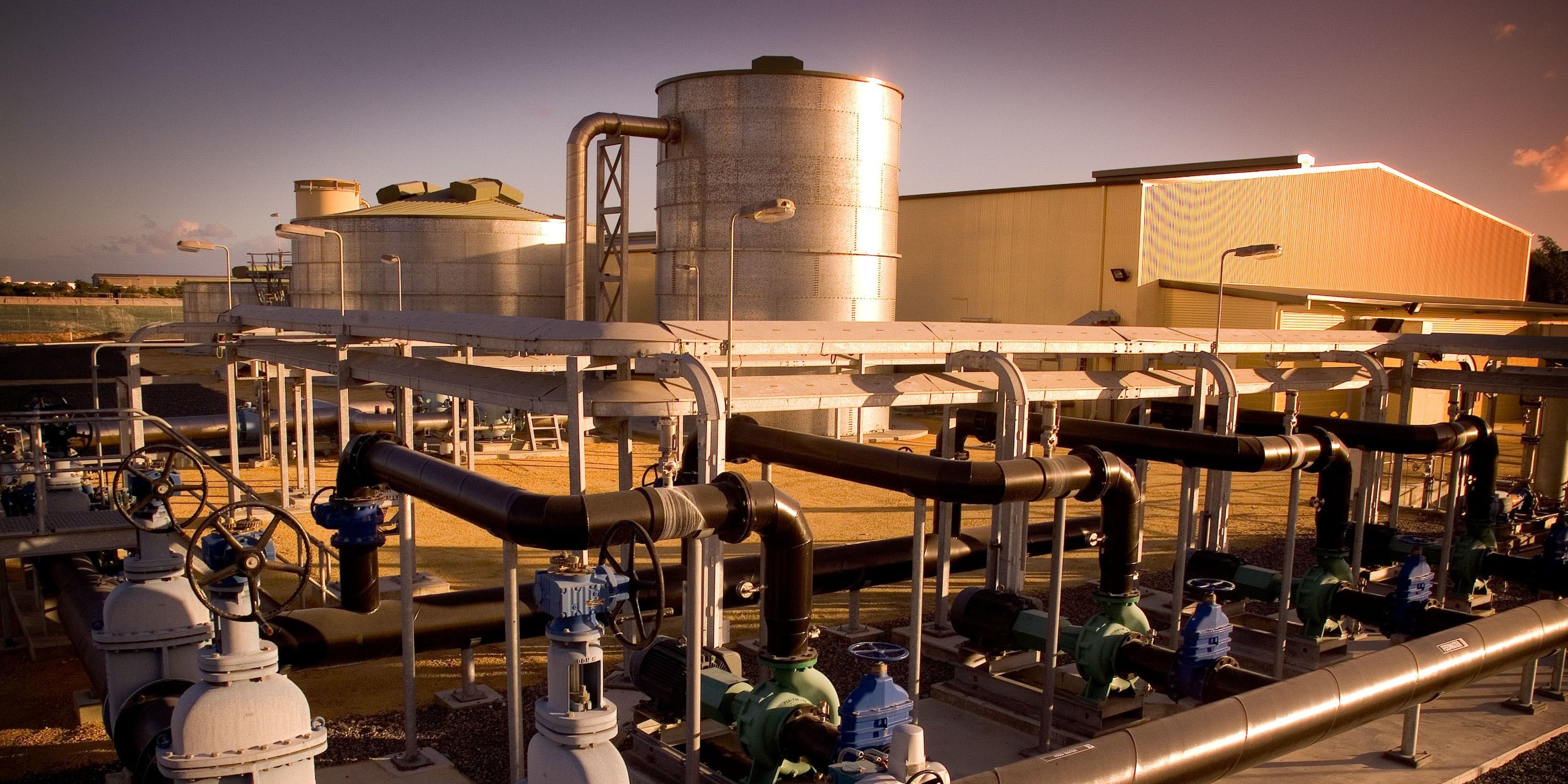
Western Australia is preparing for a future where water security will depend increasingly on desalination, recycling, smarter infrastructure and closer collaboration across government, industry and communities.
A new state strategy, Made Possible by Water, outlines how Western Australia plans to respond to growing pressure on traditional water sources as climate change, population growth and industrial demand reshape the state’s water future.
Developed collaboratively by the Department of Water and Environmental Regulation, Water Corporation, Aqwest – Bunbury Water and Busselton Water, the document presents a long-term vision for securing safe, reliable and climate-resilient water supplies across the State.
The strategy arrives as Western Australia faces some of the most severe climate-driven water pressures in the country. Since the 1970s, rainfall across the south west has declined by around 20%, while streamflows into dams have fallen by as much as 80%.
Where Perth’s dams once received around 420 billion litres annually, inflows are now often between 10 and 50 billion litres a year.
At the same time, demand for water continues to rise from households, agriculture, mining, tourism and emerging industries such as green hydrogen, critical minerals and AI-driven data centres.
Climate independence
Water and Climate Resilience Minister Don Punch said the state is already undergoing a significant water transition.
“Western Australia is undergoing a significant water transition as the climate continues to dry, and the Cook Government’s sustained investments in desalination, recycling, and groundwater replenishment are ensuring the State remains ahead of emerging pressures,” Punch said.
“Made Possible by Water initiates an important community-wide discussion on safeguarding our long-term water security.”
The document highlights how Western Australia has increasingly shifted towards climate-independent water sources over the past two decades.
Desalination plants in Kwinana and Binningup now supply around half of Perth’s drinking water, with the Alkimos Seawater Desalination Plant expected to add another 50 billion litres annually when it comes online in 2028.
Groundwater replenishment is also playing a growing role, with up to 28 billion litres of purified recycled water being returned to Perth aquifers each year.
Beyond supply diversification, the strategy places strong emphasis on water efficiency, long-term infrastructure planning and recognising the broader value of water across communities, the economy and the environment.
Economic implications
The report notes that Western Australia currently provides around $700 million annually in subsidies to keep water affordable for households, even as climate-resilient water sources become more energy-intensive and costly to produce.
It also warns that Perth alone could require up to 125 billion extra litres of climate-resilient water by 2035, almost doubling current desalination production.
Water Corporation CEO Pat Donovan said the strategy reinforces Western Australia’s position as a global leader in climate adaptation.
“WA leads the world in climate independent water sources, and Made Possible by Water sets a clear path for sustainably managing this essential resource to support thriving communities, businesses and industries for generations,” Donovan said.
The strategy also highlights the economic significance of water across the State.
Mining currently accounts for 46% of Western Australia’s licensed water allocation, while agriculture, irrigation and public water supply remain major users.
The document argues reliable water supplies will be critical to supporting housing growth, industrial expansion and regional development, with the State aiming to build 130,000 new homes by 2029 and connect 150,000 additional households by 2030.
Alongside infrastructure investment, Made Possible by Water places significant focus on partnerships with Aboriginal communities and incorporating Aboriginal knowledge systems into water planning and management.
Department of Water and Environmental Regulation director general Alistair Jones said collaboration would be essential to managing the State’s future water challenges.
“Made Possible by Water reinforces our commitment to robust regulation, strong partnerships, and evidence-based planning to secure the State’s water future,” Jones said.
The strategy outlines a broad pipeline of future projects and initiatives across the State, including regional desalination investigations, water recycling schemes, smart metering programs and major infrastructure upgrades.
It also signals a wider shift in how water is viewed in Western Australia, not simply as a utility service, but as a critical enabler of economic resilience, liveability and long-term climate adaptation.
Image credit: Water Corporation


