New safety upgrade at Kinchant Dam sets benchmark for dam access
 by Water Source
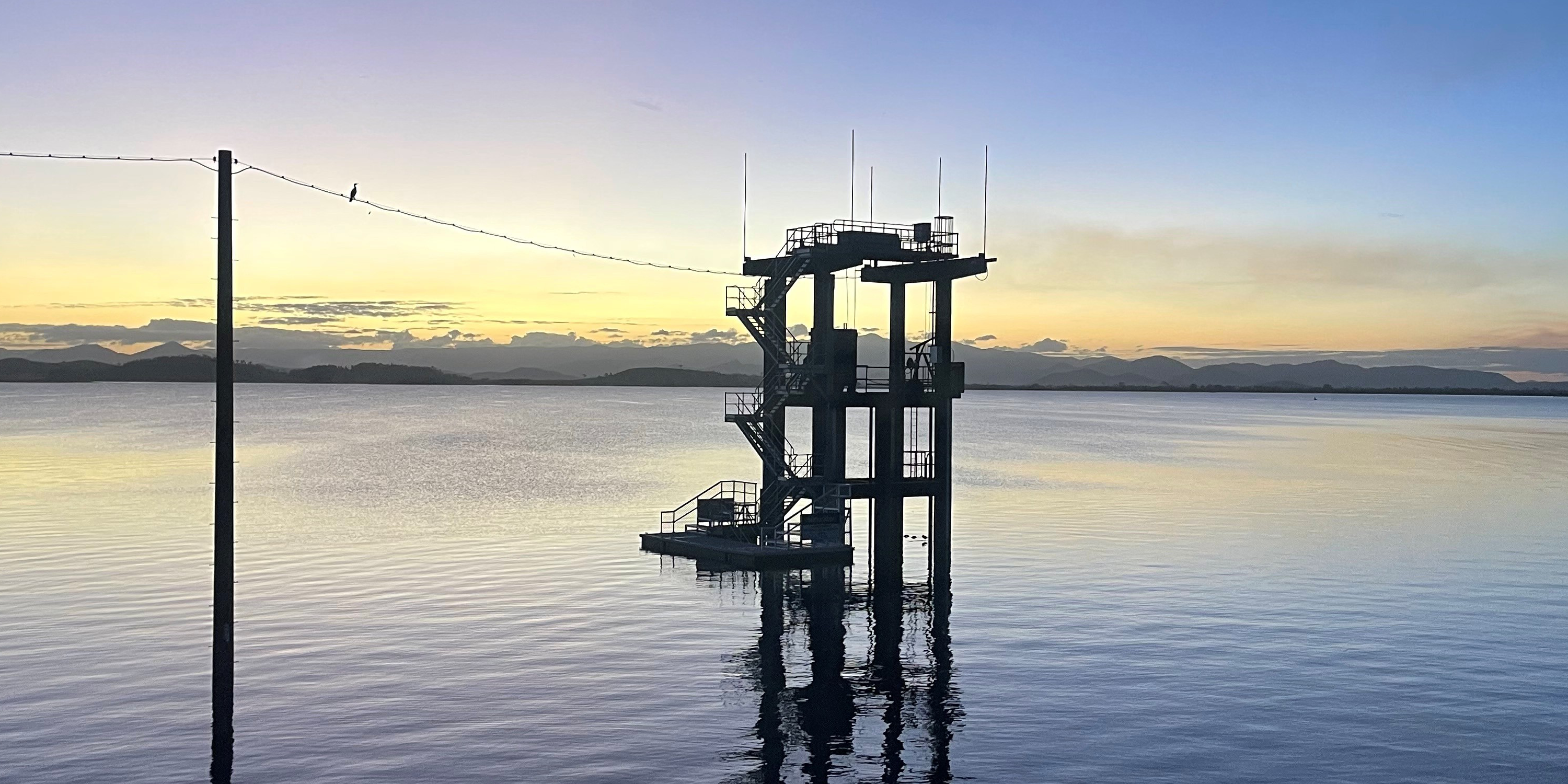
An innovative access upgrade at Kinchant Dam in Central Queensland is improving operational safety and efficiency, thanks to the installation of a floating pontoon and retrofitted stairwell on the dam’s inlet tower.
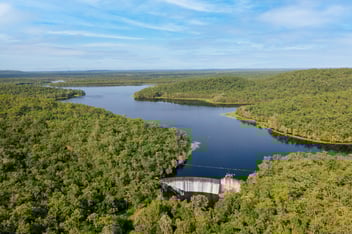
Located 30 kilometres west of Mackay, Kinchant Dam is owned and operated by Sunwater and plays a key role in supporting irrigation across the Eton Irrigation Area. The dam, which stores up to 72,000 megalitres of water, also serves as a popular recreational site for the local community.
The recent project enhances access to the inlet tower – the structure that draws water for downstream distribution – and sets a new standard for infrastructure upgrades across Sunwater’s asset portfolio.
Sunwater Program Delivery Manager Steven Shears said the identification of safety issues and recommendations for improvement demonstrate the organisation’s commitment to maintaining the highest standards of safety and operational efficiency.
“This initiative not only addresses immediate safety concerns, but also sets a precedent for future inspections and safety protocols,” he said.
“By prioritising safety and taking decisive action, the project team has significantly contributed to the overall safety and reliability of Kinchant Dam.”
Improving access, addressing risk
Previously, personnel could only access the mid and high levels of the tower via vertical ladders – a significant safety concern identified during a site inspection. This arrangement posed serious risks during emergencies or extreme weather events, with limited options for rapid evacuation or timely maintenance.
Sunwater partnered with Pacific Marine Group (as Principal Contractor) and specialists Royal Haskoning DHV and GC Marine to develop a safe, modern solution.
A detailed risk assessment process guided the planning phase, taking into account key challenges such as limited structural information about the 1970s-built tower, operational disruptions, diver safety requirements, and the public accessibility of the site.
Engineering a tailored solution
The project team designed and installed a bespoke stairwell to retrofit the existing tower, and introduced a floating pontoon connected via new guide columns.
The pontoon features a roller connection and a release pin mechanism that enables quick removal in the event of adverse weather, preventing it from becoming a hazard during floods or storms.
This design not only replaces the older vertical access method but incorporates modern engineering and safety practices never before used at the dam.
Benefits beyond safety
With continuous monitoring and maintenance practices now embedded into site operations, the upgraded access delivers a range of long-term benefits:
Safety: Improved access significantly reduces risk for personnel and enhances response times for maintenance and emergency scenarios. The new configuration enables access to the tower 93 per cent of the time, based on historical water level data.
Operational resilience: Efficient access supports more frequent inspections and upkeep, contributing to the long-term sustainability of the dam’s function as a water source.
Environmental protection: A safely maintained dam helps prevent environmental incidents and supports the health of local ecosystems.
Public confidence: The upgrade reinforces community trust in the safety and reliability of local water infrastructure.
Industry leadership: Sunwater’s approach establishes a strong precedent for other water utilities, demonstrating how safety-led innovation can be successfully integrated into legacy infrastructure.
The Kinchant Dam inlet tower upgrade is a clear example of how collaborative problem-solving and modern design can tackle complex safety challenges in critical water infrastructure.