
Collaborating for the Mekong: addressing climate, dams and development
 by Hamish Brooks
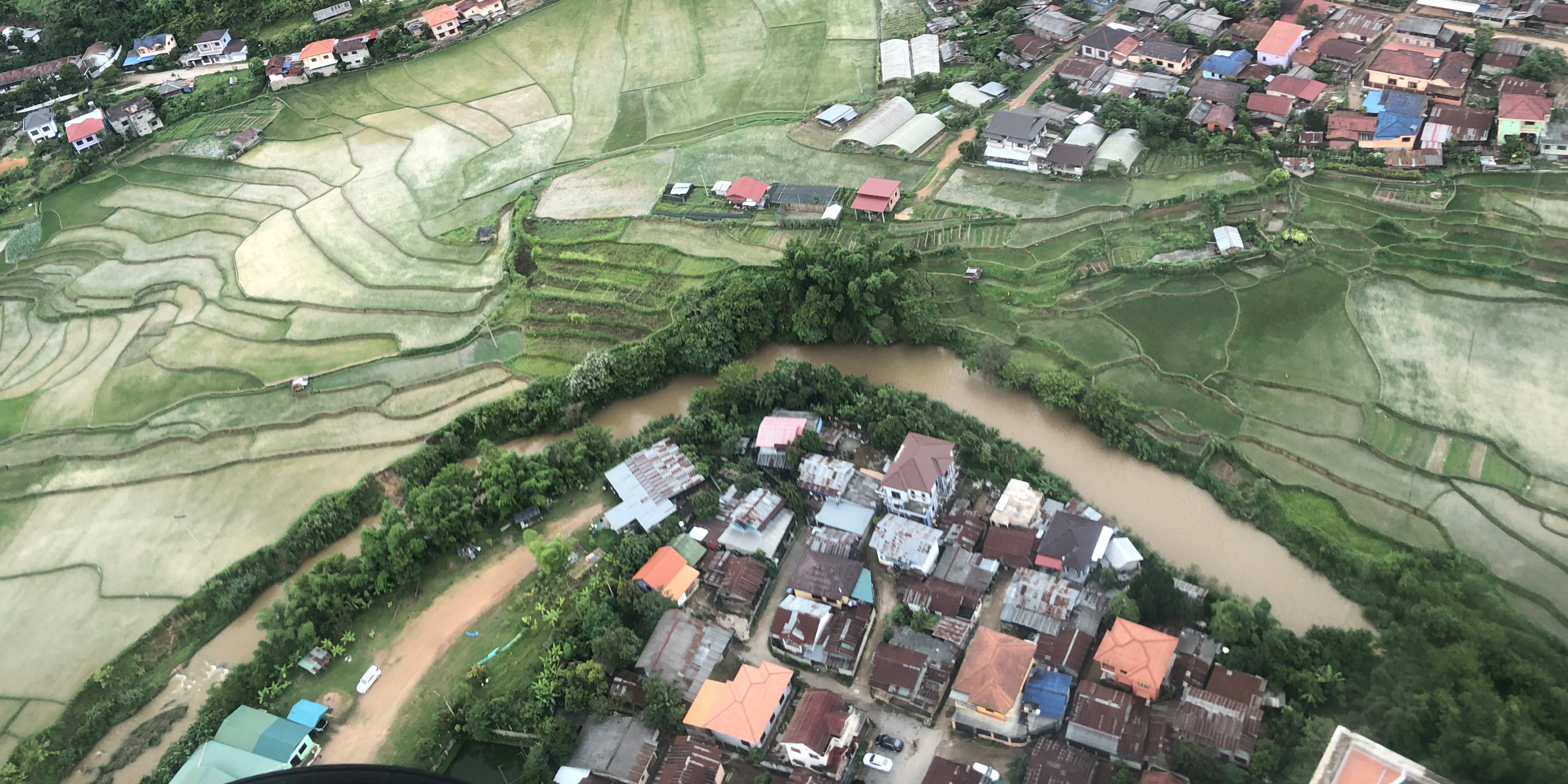
The Mekong River is facing extraordinary environmental challenges, with climate change, hydropower dams and rapid development altering its natural flow. Collaborative efforts, including Australian partnerships, experience and expertise, are critical to supporting ecosystem integrity, equitable livelihood opportunities, and a sustainable, stable future for the Mekong region.
The Mekong River is facing unprecedented challenges. Amid pressures from climate change, hydropower development and rapid industrial growth, innovative solutions are emerging across the region.
Millions of people who depend on the river are adapting to its evolving rhythms, prompting local water authorities and communities to rethink sustainable water management.
Stretching across six countries – China, Cambodia, Laos, Myanmar, Thailand, and Vietnam – tens of millions of people rely on the Mekong River for water, energy and commerce needs. Despite mounting pressures, the Mekong remains the lifeline of South East Asia.
How can regional and international collaborations, including contributions from Australian water professionals, networks, and institutions, drive efforts to secure a resilient and sustainable future for the river?
Challenges on the rise
Hydropower dams and rapid development are significantly altering the mighty waterway’s natural flow, including the necessary outcomes of natural flood pulses that fill lakes and aquifers, and deposit sediment on floodplains and the Mekong Delta.
Nguyen Son Tung, Deputy Director of National Center for Rural Water Supply and Environmental Sanitation in Vietnam, has seen first-hand how climate change is amplifying rural water supply challenges in the Mekong Delta.
“Sea-level rise and reduced freshwater flow escalate saline intrusion, contaminating water sources used for domestic and industrial supply,” he said.
“Prolonged droughts diminish water availability, while extreme rainfall events cause flooding that spreads pollutants into rivers and reservoirs, degrading water quality.
“Higher temperatures lead to faster evaporation rates and promote algal blooms, complicating water treatment. Infrastructure faces frequent damage from extreme weather, causing operational disruptions and financial strain.”
Tung said industrial and climatic interferences were creating permanent changes to the identity of other water bodies dependent on the river’s natural cycles.
On the basin-wide scale, Cambodia’s Tonle Sap, or Great Lake, is dependent on the annual Mekong flood pulse, which is so great as to cause the Tonle Sap River to reverse its flow, carrying the Mekong’s floodwater upstream to the lake and generally increasing its surface area six-fold to 15,000 square kilometres.
Climate change and dam building along the Mekong are threatening the flood pulse, jeopardising a range of dynamic environmental benefits that support ecosystems, fish life and rice farming in Cambodia, including recharging aquifers and preventing saltwater intrusion in the Mekong Delta as the flooding recedes.
Cambodian Water Supply Association Executive Director Minh Lim said that, while there were pressing basin-wide issues to address, local level wastewater treatment, community education and drinking water catchment protection remained a crucial focus.
“Protecting water sources from contamination from industrial factory discharges and human effluent is very important,” he said.
On a visit to Australia supported by the Australian Water Association (AWA), Lim learnt much about wastewater treatment technologies being explored here and identified opportunities for application in Cambodia.
“The way wastewater is treated before it’s discharged to the river or other environments is one of the areas where Australian water expertise can help,” he said. “Also, they can share information about protecting drinking water catchments – preventing people from accessing them to protect water quality. We need to build the communities’ knowledge.”
Nguyen also highlighted the necessity of localised, context-specific approaches to water challenges in the Mekong River Delta.
“The diversity of issues across provinces demands tailored solutions to address saline intrusion, pollution and fluctuating water availability,” he said.
Alluvium Group Technical Lead (Mekong) Tarek Ketelsen has also witnessed the challenges facing the Mekong River, its tributaries and other river systems in the region.
Ketelsen said that, while climate change was intensifying vulnerabilities, it was the combined impact of this with transboundary issues really causing concern.
Transboundary water retention has increased with large dam building on the Mekong mainstream, which now has 13 hydropower dams along its length and many more on its tributaries.
“This growing cascade of dams on the Mekong has fundamentally altered the dynamics of the Mekong River, regulating flow, disrupting the monsoon flood pulse, blocking important sediment and nutrient transport processes, as well as fish migrations,” Ketelsen said.
Investing in the region
Ketelsen noted that while the Mekong River Commission – established in 1995 by Cambodia, Laos, Thailand and Vietnam – had played a crucial role in notifying and informing neighbouring states about transboundary projects, decision-making still needed to be elevated to the regional level.
While the challenges are felt intensely across Vietnam and Cambodia, water managers in other countries along the Mekong are facing challenges in providing essential services that help maintain healthy, stable societies in the region.
So pressing is the issue, the Australian Government has formed the Mekong-Australia Partnership (MAP) with the Mekong sub-region countries of Vietnam, Cambodia, Laos, Myanmar and Thailand, and has committed nearly $500 million dollars over the past five years.
While the Australian Government describes the MAP as “a flexible program that responds to shared regional and transboundary challenges, and emerging needs”, the MAP recognises water security as a key issue for the region, particularly in relation to the impacts of transboundary water issues, climate change and rapid development on the Mekong River.
An integrated approach
The Nam Xam Basin lies outside the Mekong Basin and is a vital water resource in Laos, flowing into Vietnam’s Ma River. Important lessons from integrated basin management in the Nam Xam Basin can inform broader transboundary water governance in the Mekong region.
The Integrated River Basin Management Plan for the Nam Xam Basin in the Lao People’s Democratic Republic, partially funded through the MAP and supported by Alluvium, is a strong example.
Laos Department of Water Resources representative Singthong Panthamala said the Nam Xam River Basin Management Plan documented the basin context, including hydrology, biodiversity and socioeconomics, and would determine the overall direction of projects or activities to be undertaken within the river basin area.
“With our neighbours in Vietnam, it will help us manage, protect and develop the basin water resources in accordance with the special characteristics of the basin and mitigate issues of concern such as floods and droughts,” he said.
“It stands as an example of what’s possible when countries work together on transboundary river management for the benefit of all.”
Mekong-Australia Water Partnership
While capacity-building and training programs like those running in partnership with AWA were important in supporting Mekong-based professionals to manage complex challenges, Nguyen said partnerships with research institutions and technology providers further supported innovation in areas such as sediment management, groundwater sustainability and flood risk modelling.
“Through these efforts, Australian water professionals can help ensure long-term resilience and sustainability for water supply services in the Vietnam Mekong River Delta,” he said.
Ketelsen said Australian water managers had a lot to offer countries of the Mekong region, both through the MAP, and other industry collaborations like The Australian Water Partnership, which recently funded programs led by the AWA in Vietnam.
Ketelsen said that while the effect of climate change on local ecosystems had been perceived as a nascent future threat, “...it is clear today that many of the ecological systems on which Mekong urban and rural communities depend, are at or close to major environmental tipping points”.
The region needs support to position ecosystem integrity and equitable livelihood opportunities as the basis for managing the Mekong River sustainably and peacefully into the future.
This article was originally published in Current magazine.