Bridging now to next: true partnership for water sector reconciliation
 by Cecilia Harris
As we reflect on National Reconciliation Week 2025, and this year's theme ‘Bridging Now to Next’, it is clear that real reconciliation calls for more than words – it calls for action, deep listening and meaningful partnerships.
Across the water sector, we are beginning to see a shift: moving beyond simple engagement towards genuine collaboration with Aboriginal and Torres Strait Islander communities.
The Australian Water Association and the Water Services Association of Australia are hosting a special National Reconciliation Week webinar on Monday 2 June, bringing together Aboriginal and Torres Strait Islander voices to reflect on how our sector can support meaningful change.
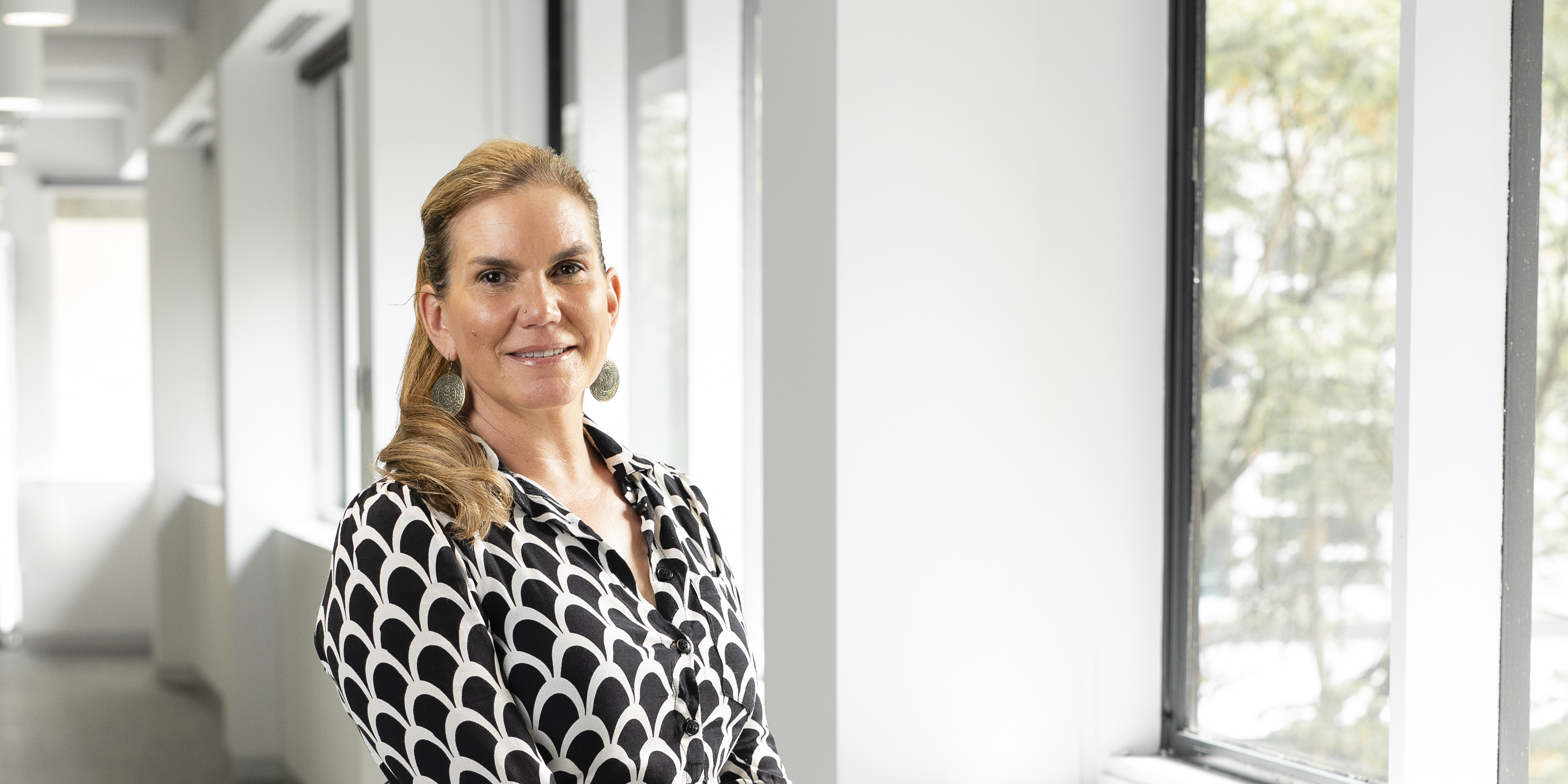
Panellist Nina Braid, Yarra Valley Water’s Aboriginal Partnerships Manager and AWA Board Director, will share her insights on the evolution of reconciliation in the water sector, and how genuine partnerships can help shape a more inclusive and resilient future.
Braid has seen firsthand how the sector has evolved – and where there is still work to be done.
“Looking back now, the changes I’ve noticed since the first Ozwater I attended six years ago are impressive. Some really brave individuals have called out that we can do better. Each year we can improve and do better,” Braid said.
"During my first Ozwater, Reconciliation Action Plans (RAP) were seen as these big, mythical things. But we’re moving beyond RAPs now. Now it's about truly partnering, reflecting on how we've done things in the past and working together respectfully.
“We have moved on from just engagement to actually partnering with Traditional Owners and integrating Traditional Knowledge with western science.
“This leads to better catchment management and more inclusive workplaces, where Aboriginal people are not just sitting in community inclusion teams but are embedded across organisations, including in engineering roles.”
Partnerships first
Braid said the difference she’s noticed at events like Ozwater is reflected across some work in the sector, as well, and it starts with working together first.
“We are seeing a shift in mindset. Partnership is not an afterthought anymore, or something people realise is necessary after consultation. It’s about getting it right from the beginning,” she said.
“The water sector operates on stolen land. We can't keep excluding Traditional Owners from conversations about their Country and our assets.”
At Yarra Valley Water, conversations start with partnership, not engagement, Braid said. And it’s a paradigm shift that Braid would like to see replicated everywhere in the sector.
“There has been a paradigm shift at Yarra. We no longer talk about engagement. We talk about partnering. This direction has come from our board, which included two Aboriginal board members,” she said.
"A great example is the Lockerbie Sewer Project, where we knew we'd be disturbing stoney rises – significant cultural heritage. Instead of treating it as business as usual, we partnered with Traditional Owners and universities.
“We studied the artefacts scientifically to understand how they were used – cutting protein, grinding plants – and we now look for ways to avoid disturbing such places.”
Braid said this included directional drilling and starting work with Traditional Owners early, before designs were finalised, to realign works as needed.
“We’re also being more thoughtful about waterways, which are culturally sensitive,” she said.
“We think about the impacts of assets on songlines and waterways, and how to design works better.”
Learning how to listen
One key issue Braid has noticed during her time in the water sector is the disconnect that can occur when engineering teams are consulting with Aboriginal communities.
“There’s often a communication gap between engineers and Traditional Owners. I saw this during a recent conversation about a treatment plant discharge to a river,” Braid said.
“The engineers thought Wurundjeri didn’t understand Class B water, but actually, Wurundjeri understood perfectly – they just didn't want that water put back into the river.
“The Traditional Owners asked why the recycled water couldn’t be used on Country instead, reducing extraction from the river.”
Braid said eventually the communication clicked, with another engineering team acknowledging that they could potentially use the Class B recycled water for farmers instead of drawing environmental water licenses.
“This led to further conversations about polishing recycled water naturally through UV exposure in holding ponds, like at the Upper Yarra Restoration Project, to reduce nutrient loads before reaching waterways,” she said.
“EPA license conditions also haven’t historically involved Traditional Owners, which needs to change. And this is a direct example of why.”
Bridging now to next
Reflecting on the theme of National Reconciliation Week, Braid said her idea of ‘next’ looks like walking and talking together for strong, long-lasting partnerships.
“Next is when we start listening more, talking less, and doing the work. It’s walking together, recognising the past, and building partnerships that are respectful and meaningful,” she said.
“Different organisations and Traditional Custodian groups are at different stages. We can lean on each other to learn and collaborate.
“If we want environmental resilience, especially with climate change, the water sector must truly partner with Aboriginal and Torres Strait Islander peoples and their knowledge.”
Braid said the 2024 Voices from the Bush conference was a fantastic example of how to get this work right.
“Last year, I attended the 2024 Voices from the Bush conference. It felt like the first culturally safe space in a water sector environment,” she said.
“Aboriginal people were the norm. We were able to call out why the water sector comes into our communities with problems they want to solve without first asking what the problem is. Genuine partnerships are about working together.”
Want to hear more from Nina Braid and other First Nations leaders in the water sector? Register now for the National Reconciliation Week webinar on 2 June.



.jpeg?width=352&name=55296852052_79d58494b5_k%20(1).jpeg)