 by Water Source
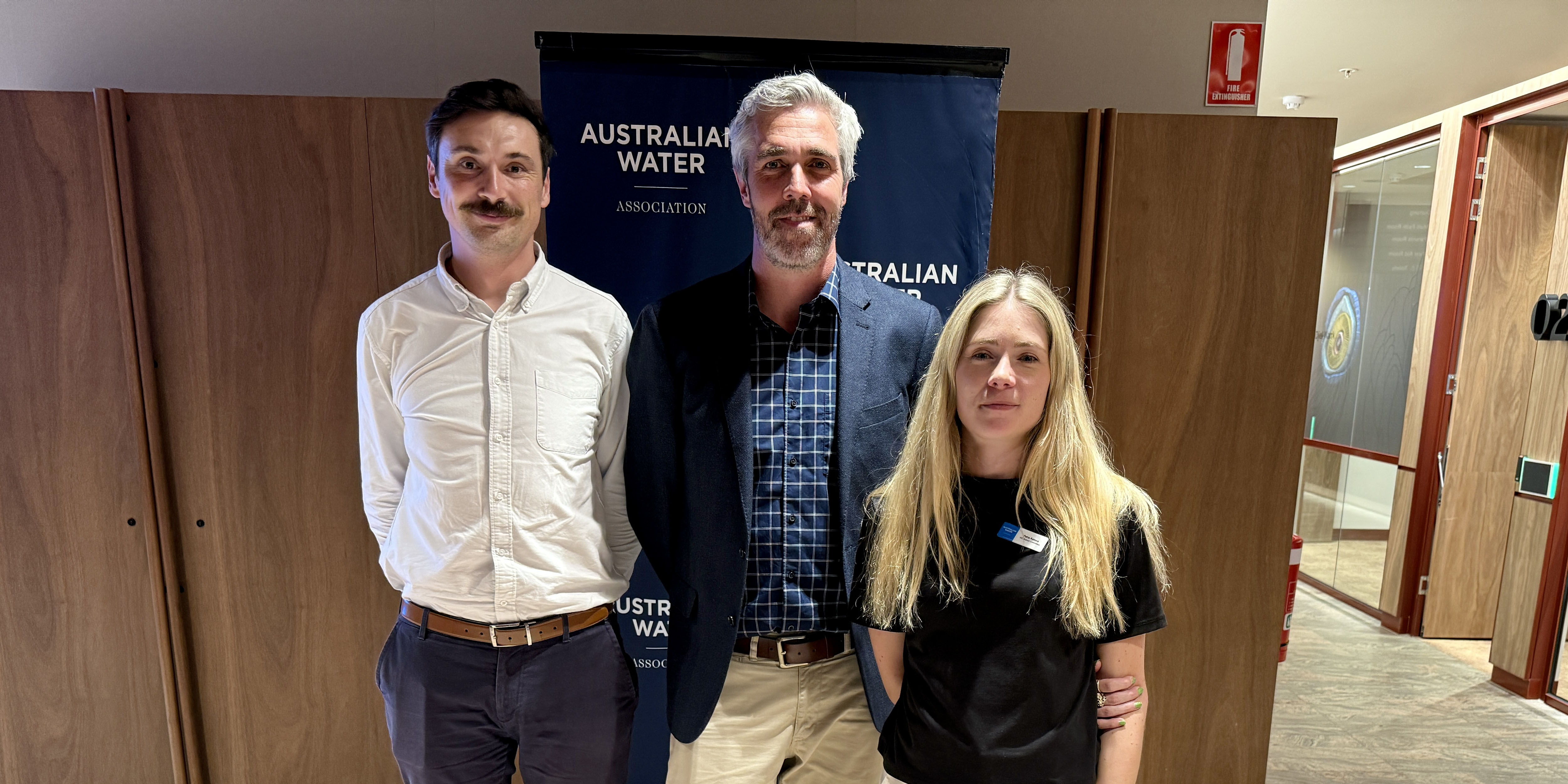
On 19 March, the AWA Victorian Branch brought together water sector professionals for an engaging and forward-looking technical event, Strategic Foresight for a Shared Water Future, hosted by Beca.
Facilitated by Melbourne Water’s James Allen (Futurist) and Toby Parford-Plant (Environmental and Water Futures Practitioner), the session explored how the water community can better anticipate and respond to the complex challenges ahead, from population growth and climate uncertainty to technological disruption and shifting community expectations.
What set this event apart was its deliberate move beyond traditional presentations. Instead, participants were guided through a carefully designed journey, one that combined structured analysis, interactive foresight methods, and immersive future thinking.
From insight to imagination
A key theme throughout the evening was the importance of pairing insight with imagination.
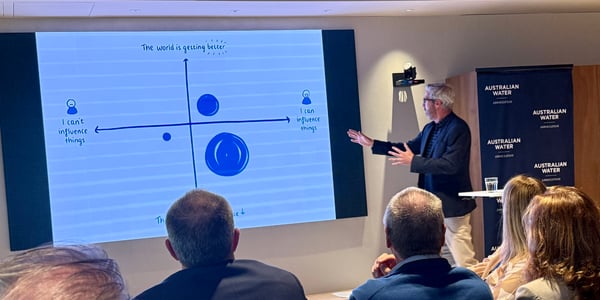
As James Allen highlighted, understanding current trends is only part of the equation. Effective decision-making also requires the ability to imagine possibilities that may initially seem unlikely, or even ridiculous. This mindset shift encouraged attendees to expand their perception of what the future could hold, and to recognise that many signals of the future already exist today, just unevenly distributed.
The session also reinforced a powerful idea: that limitations in planning are often not due to a lack of information, but a lack of imagination. By challenging assumptions and exploring alternative scenarios, participants were able to engage more deeply with uncertainty and opportunity alike.
A hands-on approach to foresight
Central to the event’s success was its interactive format. The ‘Flipped Fact Futures’ exercise provided participants with a practical introduction to foresight tools, moving from individual reflection to group discussion and shared insights.
This approach:
- Enabled hands-on experience with structured foresight methods
- Encouraged participants to challenge deeply held assumptions
- Helped make abstract ‘weak signals’ more tangible and actionable
The result was a highly engaged audience, with strong participation and thoughtful discussion throughout the session. Committee members noted that the experience translated complex foresight concepts into something both accessible and immediately applicable.
Building capability across the sector
The event was widely regarded as both timely and valuable. With increasing pressure on water systems, the need for long-term, adaptive and resilience-focused thinking has never been greater.
Feedback from attendees and committee members highlighted:
- The strength of the session’s narrative and structure
- The effectiveness of facilitation across a diverse audience
- The value of experiencing foresight as a practical tool, not just a concept
Notably, some participants have already begun applying the frameworks introduced during the session to other challenges beyond water, an indication of the broader relevance and impact of the approach.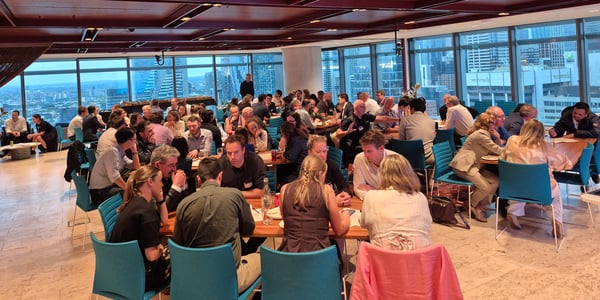
A shared sense of optimism
Despite the complexity of the challenges discussed, the tone of the evening remained distinctly optimistic.
Participants collectively embraced a mindset of ‘boundless hope’, recognising that while the future may be uncertain, there is real opportunity to shape it through deliberate, informed and imaginative action.
This shared optimism, combined with meaningful networking opportunities, helped foster stronger connections across the water, planning and infrastructure sectors.
.png?width=800&height=533&name=AWA%20March%2019th%20-%20Live%20Illustration%20-%20Elise%20Motalli%20(1).png)
Looking ahead
Attendees endorsed the event as a strong example of how foresight-led engagement can elevate sector conversations and support more resilient, future-focused decision-making.
There is a clear appetite to continue building this capability across the industry, through further events, ongoing collaboration, and potential follow-up activities, such as scenario tracking and signal monitoring.
As Victoria continues to navigate an increasingly complex operating environment, events like this play a critical role in equipping the sector with the tools, perspectives and partnerships needed to shape a sustainable and shared water future.
Interested in learning more about upcoming events in your state or territory? Take a look at what’s on offer here.
Share